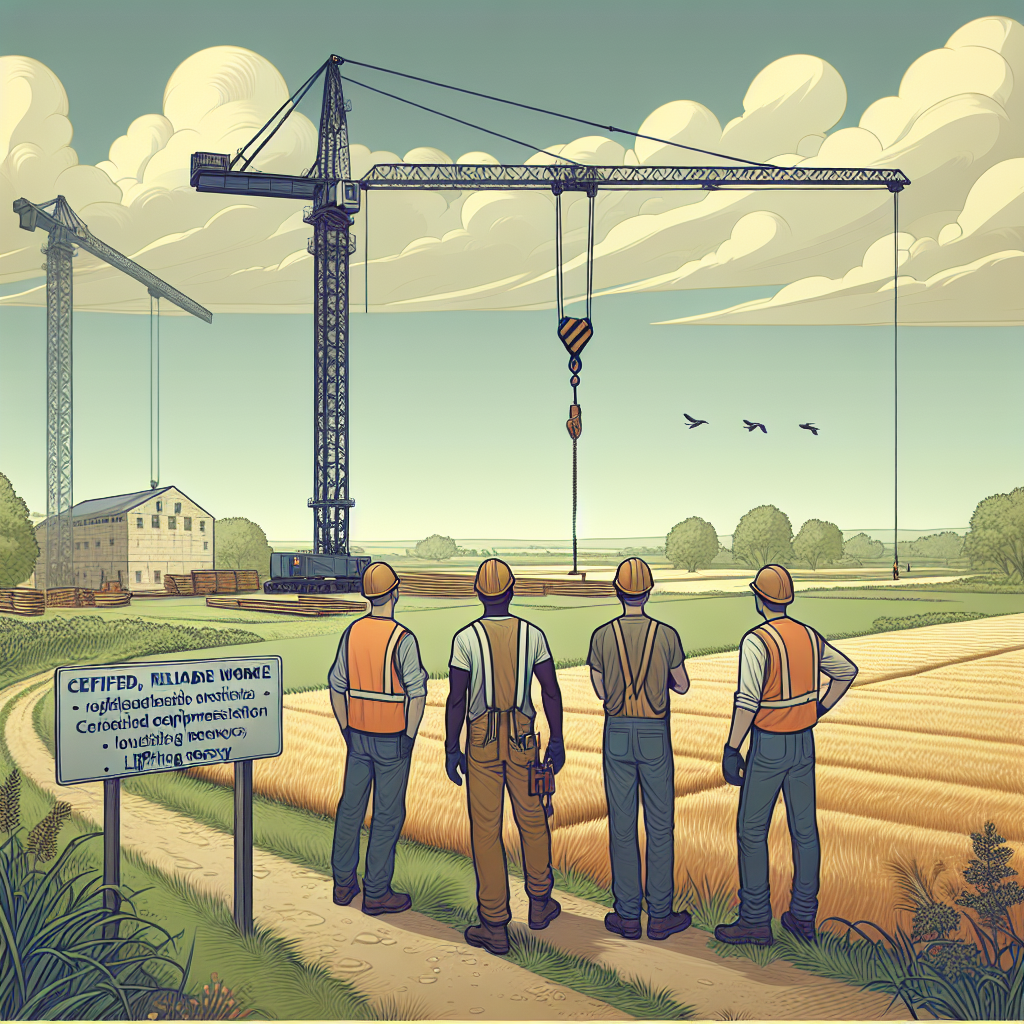

The Importance of Crane Availability in Rural Communities
The availability of cranes in rural areas certified for safety and operational standards is a critical concern for agriculture, construction, and infrastructure development in less urbanized regions. The efficient movement of heavy equipment, materials, and agricultural produce often depends on reliable crane hire and lifting solutions. While urban environments typically offer a plethora of machinery options and service providers, rural communities face unique challenges regarding heavy lifting equipment accessibility, workforce certification, and logistics.
The Unique Demands of Rural Projects
Compared to cities, rural construction and agricultural projects require cranes to operate in diverse terrains, from muddy farmlands to uneven construction sites. Certified crane operators are vital, as safety regulations and compliance play a significant role in minimizing risks. Certified crane services ensure that lifting operations adhere to industry standards and local legislative requirements, safeguarding both workers and investment.

Challenges of Certified Crane Access in Remote Locations
- Limited crane rental companies: Rural areas tend to have fewer equipment providers, making it challenging to source cranes on short notice.
- Transport and logistics: The process of moving large machinery over long distances to rural job sites increases project costs and timeframes.
- Certification and compliance: Ensuring all cranes and operators are properly certified and compliant with local and federal safety regulations can be more difficult in remote regions.
- Technical support: A lack of quick-response maintenance and repair services may hamper project timelines.
LSI Keywords Explained
When addressing the certified crane availability in rural areas, several related terms, known as Latent Semantic Indexing (LSI) keywords, should be considered. These include: rural crane rental, certified operator, mobile crane, heavy lifting equipment, remote construction, agricultural crane use, rural infrastructure, safety compliance, lifting solutions, and heavy equipment access. Incorporating these terms ensures a comprehensive analysis of the topic for both readers and search engines.
Advantages of Using Certified Cranes in Remote Projects
- Enhanced safety: Certified cranes and operators reduce the likelihood of accidents and costly project delays.
- Regulatory compliance: Projects are completed according to industry standards, avoiding legal complications and penalties.
- Operational efficiency: Properly maintained and certified equipment leads to fewer breakdowns and project stoppages.
- Skilled workforce: Certification ensures only competent personnel handle complex lifting tasks, maximizing productivity and quality.
Case Use: Agriculture and Infrastructure in Rural Areas
In agricultural settings, cranes are essential for handling feed, equipment, and even constructing large storage facilities. In rural infrastructure projects, such as bridge building or water treatment upgrades, the availability of certified cranes determines the project’s timelines and success. The presence of certified operators and up-to-date machinery is a reassurance for local governments and businesses.

How to Improve Crane Accessibility Outside Urban Centers
- Investment in mobile cranes: Favoring mobile and all-terrain cranes allows for quick deployment to diverse locations.
- On-site operator training: Partnering with certification programs to upskill local workers ensures a ready pool of qualified staff.
- Logistics planning: Early engagement with crane rental providers can help synchronize equipment arrival with critical project milestones.
- Utilize local rental agencies: Building relationships with regional machinery providers increases flexibility and support.
Trends and Future Outlook
With the growing emphasis on rural infrastructure investment, the demand for certified crane services in remote locations will likely increase. The industry is seeing a shift towards more technologically advanced, environmentally-friendly machines—such as electric and hybrid cranes—tailored for the unique conditions of rural projects.
Advances in remote inspection, digital certification management, and improved rural transportation infrastructure will further enhance crane availability and reliability.
Key Takeaways:
- Certified crane access is essential for rural construction, agricultural, and infrastructure projects.
- Choosing certified operators and machinery ensures safety, compliance, and operational efficiency in remote locations.
- Strategic planning and local partnerships are crucial for overcoming logistical barriers.
- Rural-and-remote project managers should prioritize certified, reliable crane solutions for sustainable development.
