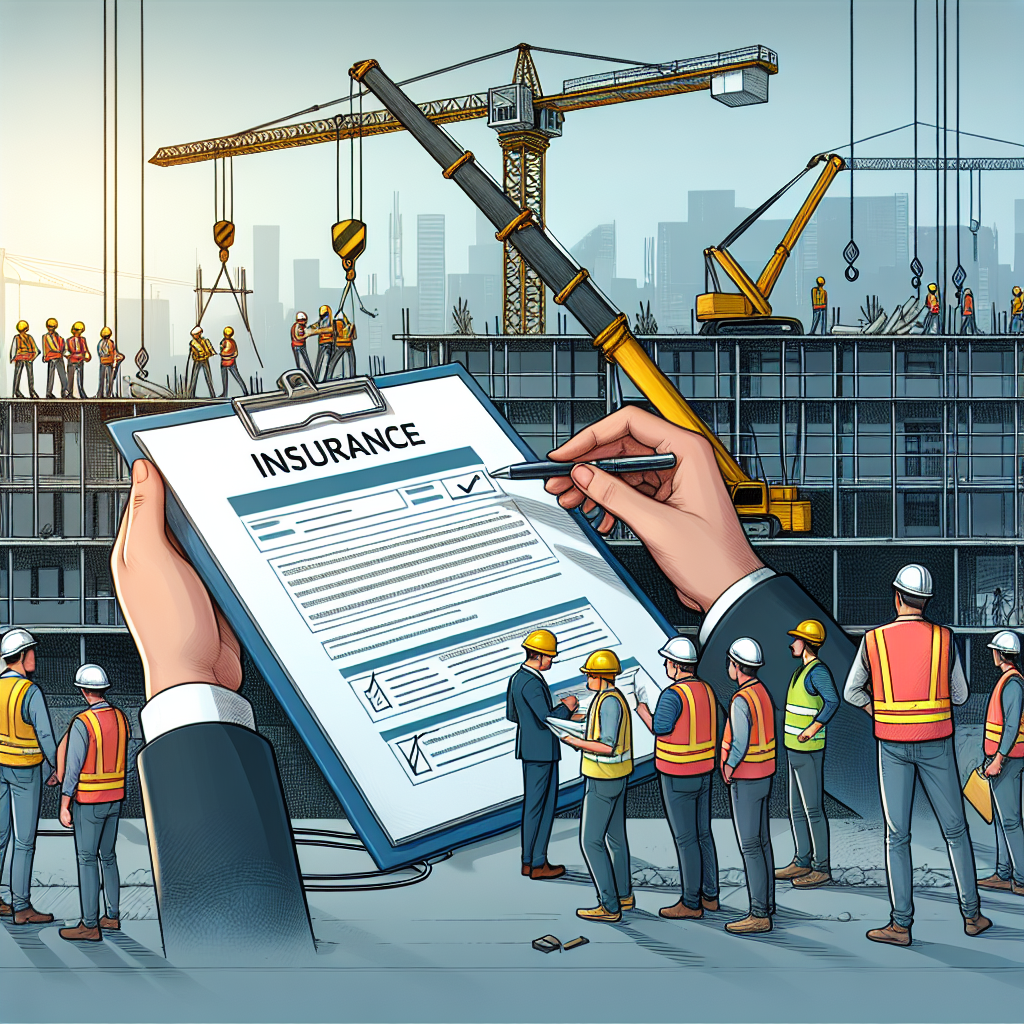
Insurance Needed for Crane Rental in 2024: A Complete Overview
Renting a crane is a significant undertaking, whether for construction, infrastructure projects, or heavy lifting operations. As 2024 brings new regulations and industry standards, understanding the insurance needed for crane rental 2024 is more crucial than ever. Proper insurance protects your business, workers, and assets from unforeseen risks and costly liabilities. This detailed guide covers all aspects of crane rental insurance, explores vital policies, and explains how to stay compliant in today’s construction landscape.

Table of Contents
- Why Insurance Matters for Crane Rental
- Essential Types of Insurance for Crane Rental in 2024
- Key Insurance Requirements for Crane Rental Companies
- Risk Management and Compliance in 2024
- Factors Affecting Crane Rental Insurance Costs
- Frequently Asked Questions
- Conclusion
Why Insurance Matters for Crane Rental
Crane operations involve substantial risks, including property damage, bodily injury, equipment failure, and environmental hazards. Without the correct insurance, both crane rental companies and clients can face lawsuits, regulatory fines, and significant financial losses. In 2024, the construction industry has seen a rise in claims and stricter safety standards, making comprehensive crane rental insurance vital for business survival and reputation.

Essential Types of Insurance for Crane Rental in 2024
To ensure full protection, it’s important to secure the right policies. Here are the most important types of insurance needed for crane rental 2024:
-
General Liability Insurance
Covers third-party bodily injury and property damage claims. For example, if a crane accidentally damages a neighboring building, this policy responds. -
Equipment Insurance (Inland Marine Insurance)
Protects the crane itself against theft, vandalism, fire, and accidental damage while in transit or on the job site. -
Workers’ Compensation Insurance
Required by law in most states, this covers medical costs and lost wages for employees injured during crane operations. -
Automobile Liability Insurance
If the crane is driven on public roads, this covers accidents involving the crane as a vehicle. -
Rigger’s Liability Insurance
Essential for companies responsible for lifting or moving other people’s property. If a load is dropped or damaged, this insurance covers the loss. -
Excess Liability / Umbrella Insurance
Provides additional coverage above your primary insurance limits, crucial for large-scale or high-risk projects.
Other Related Insurance Policies
- Construction equipment insurance
- Heavy machinery insurance
- Contractor liability insurance
- Crane rental liability coverage
- Short-term crane hire insurance
- Jobsite accident insurance
Key Insurance Requirements for Crane Rental Companies
Most project owners, general contractors, and municipalities will require proof of specific crane rental insurance coverage before allowing operations onsite. Common requirements in 2024 include:
- Minimum $1 million to $5 million in general liability coverage
- Valid workers’ compensation certificate
- Named additional insureds (owners, contractors, or clients)
- Waiver of subrogation endorsements
- Evidence of rigger’s liability for heavy lifts
- Certificate of insurance for all policies
Always verify requirements with the project owner, as some contracts may demand higher limits or specialized endorsements.

Risk Management and Compliance in 2024
In addition to crane rental insurance, proactive risk management can help reduce premiums and improve safety records. Steps to stay compliant and minimize claims include:
- Regular crane inspections and maintenance logs
- Operator certification and continuous training
- Job hazard analysis before each lift
- Adhering to OSHA crane safety regulations
- Implementing emergency response plans
- Documenting all incidents, no matter how minor
Insurance providers often offer discounts for companies with robust safety programs and low claim histories. In 2024, digital recordkeeping and telematics on cranes are becoming standard industry practices.
Factors Affecting Crane Rental Insurance Costs
The cost of insurance needed for crane rental 2024 depends on several variables, including:
- Type, age, and value of the crane
- Nature and duration of the project
- Location and jobsite conditions
- Claims history and safety record
- Experience of crane operators
- Level of coverage and policy limits
Consulting with a specialized insurance broker can help tailor your policy to your unique risks and ensure you’re neither underinsured nor overpaying for coverage.
Frequently Asked Questions
- 1. Is crane rental insurance mandatory in 2024?
- Yes, most states and project contracts require specific insurance coverage before cranes can be operated lawfully and safely.
- 2. Who is responsible for obtaining crane insurance: the renter or the rental company?
- Both may be responsible. Rental companies typically insure their equipment, but renters must provide liability and workers’ compensation coverage for their work.
- 3. What happens if an accident occurs without proper insurance?
- You may face lawsuits, regulatory penalties, and significant out-of-pocket losses. Proper insurance is essential for legal compliance and financial protection.
- 4. How can I reduce my crane rental insurance premiums?
- Maintain a strong safety record, invest in operator training, document maintenance, and consider higher deductibles or bundled policies.
Conclusion
Securing the insurance needed for crane rental 2024 is a non-negotiable aspect of running a safe and compliant heavy lifting operation. By understanding the different types of coverage, meeting contractual requirements, and investing in risk management, you can protect your business, workforce, and reputation from costly incidents. As regulations continue to evolve, staying informed and working with experienced insurance professionals is the best way to ensure peace of mind on every jobsite.
Related Topics:
crane insurance requirements 2024, construction site insurance, equipment rental insurance, contractor risk management, heavy equipment liability, project insurance policies, safety compliance for crane operations
